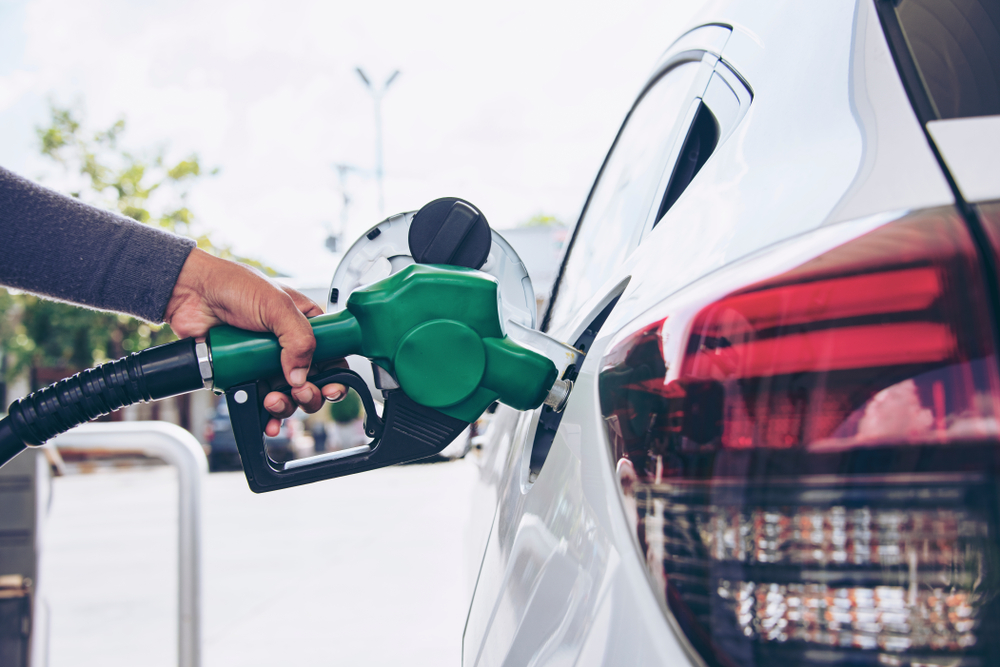

The price of fuel in the UK has hit record-breaking levels with an average litre of petrol costing 189.33p and experts warning that the worst is yet to come.
But with nationwide rail strikes taking place this week and the cost of living crisis in full swing, millions of motorists have been left with no choice but to pay over the odds for fuel just to be able to travel to and from work.
There is, unfortunately, little you can do to avoid rising petrol prices but by taking steps to be a better driver, you can cut the cost of your commute and avoid unexpected surprises.
In this article, we’ll explain how you can make a tank of fuel and your money go further.
Check your tyre pressure
Did you know the condition of your tyres can have an impact on the amount of money you spend on fuel?
If your tyres are underinflated, for example, they will wear out quicker, consume more fuel, and potentially lead to a fine, all of which can pull on your purse strings.
If your tyres are overinflated, however, this could be just as dangerous for your car (and your finances) and lead to a lack of traction and excessive wear on centre treads which is time-consuming and expensive to fix.
To cut fuel costs, always adjust your tyre pressure accordingly when transporting heavier loads and check your tyre pressure matches the level recommended by your vehicle manufacturer at least once a month.
Stick to the speed limit
Put simply, the faster you drive, the more fuel you will consume.
It might not sound like it would make a noticeable difference but with driving at speeds of 80mph wasting 25% more fuel than driving at speeds of 70mph, sticking to the speed limit can make a full tank of fuel go further.
So, the next time you have a long journey ahead of you, aiming for a lower average speed can not only save you up to 25% on fuel but can also lead to greater road safety and awareness with fewer collisions and faster reactions just some of the added benefits of sticking to the speed limit.
Shut your windows
With warmer weather approaching, so is the age-old debate of whether to open the windows or turn the air conditioning on to keep cool whilst driving.
There is no right answer but with resistance increasing when you open the windows above 45mph, drivers have been urged to open the windows when driving on city streets but switch to A/C when driving on the motorway.
This is because, at this speed, opening the windows can lead to increased resistance and result in lower fuel efficiency with A/C increasing your fuel consumption by 10% but opening the windows increasing your fuel consumption by 20%.
Avoid premium fuel
Sometimes referred to as ‘super unleaded petrol’ or ‘high performance diesel’, premium fuel benefits from a higher octane rating than standard forecourt fuel. This, essentially, means that it is less likely to explode under pressure.
But is the price of premium fuel worth it? It might be safer and contain cleaning qualities but amidst a cost of living crisis and rising fuel prices, the higher cost – which is usually an additional 15p a litre – outweighs its benefits.
If your drive a standard car, for example, its engine has been designed for optimum performance at the standard rating for petrol in the UK (95 octane) with a higher octane fuel unlikely to make a noticeable difference.
Only drive if and when you need to
With fuel prices at an all-time high, only driving if and when you need to can help you cut unnecessary costs and reduce your monthly fuel expenditure.
If your journey will only take 10 minutes in the car and the weather is on your side, for example, choosing to walk or cycle instead can be a great way to switch up your usual commute and make a tank of fuel go further.
If you must drive, however, pre-planning your journey can help you avoid wasting precious time and money sitting in traffic with roads are generally busier around this time of year when millions of families take to the roads.