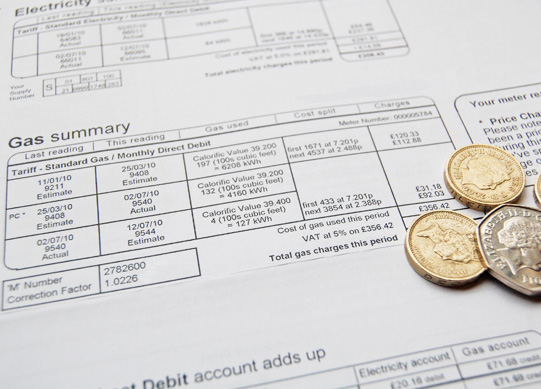
Is a utility bill the same as an energy bill?
Utility bills are essentially the same as energy bills. ‘Utilities’ is a catch-all term for all of the services you pay for in order to keep the lights on, keep the place warm, and keep yourself and your family living in comfort.
The types of bills that might spring to mind when you think of your utilities are things like gas and electricity, but the term can apply to basically any form of energy supply that you pay for in order to improve your living conditions.
In England and Wales, your water is also included within this category, however in Scotland this is included in your Council Tax bill.
Write off up to 70% of your unsecured debt – Check if you qualify
What are some examples of bills that qualify as utility bills?
There are several bills that could feasibly come under the banner of ‘utilities’. Some of the most common include:
- Gas bill
- Electricity bill
- Water bills
As well as the likes of gas and electricity, utilities can also cover heating, telephone lines, and internet connections.
People usually pay their utility bills monthly via direct debit, and can either pay a fixed price to their energy supplier, or pay an amount based on their energy usage.
How do people fall into energy arrears?
People can fall behind on their utility bills for many reasons, and this can lead to accumulating debts. Below are some of the most common reasons for energy arrears.
Energy companies and water companies raising their prices
One of the most common reasons for this is due to inflation, which causes costs to frequently rise.
Price caps are increased by hundreds of pounds each year, making bills unaffordable for many people.
Issues can also arise when estimates are calculated incorrectly. This often leads to people paying the wrong amount for their usage and being hit with the bill at a later date.
Changing energy supplier
Changing providers can also sometimes lead to a bill for the switch itself – much like trying to buy out a phone contract.
It’s also possible to be hit with a bill from missed payments from your previous provider if systems haven’t been updated.
Seasonal increases in household energy
The weather can also be a factor in falling behind on your bill. Enduring long periods of temperature drops, rain and snow means periods of higher than normal usage levels.
People also have unexpected expenses that pop up from time to time, which can leave people without enough funds to cover their bill.
What happens if you can’t pay your energy bills?
If you find yourself facing gas and electricity arrears it’s important to act as soon as possible. Naturally, the best course of action is always to pay what you owe in full, but the reality is that just isn’t a possibility for some people.
Contact your supplier
If you find yourself in energy arrears it’s important to speak with your supplier in the first instance to find out if you can spread the cost of the arrears over a period of time.
You could also ask your supplier if you could have a prepayment meter fitted, or discuss other energy efficiency measures that will help you manage your usage more closely.
Alternatively, you might try to arrange a repayment plan that helps you pay off your arrears over a longer period..
Fuel direct scheme
It’s also important to be aware of additional financial support you may be entitled to when covering the cost of utility bills.
If you are in receipt of benefits you may be able to arrange for payments to be taken directly from what you receive through a scheme known as Fuel Direct.
Opting for this method means that payments are made directly to suppliers, taking away the stress of managing payments on your own.
This can be a way to repay any money you owe to suppliers and prevent your supply from being cut off. Further details about Fuel Direct and the support available can be found at Jobcentre Plus.
Do I qualify for discounted gas or electricity?
There are certain circumstances in which you might qualify for financial support to help you pay your gas and electricity bills.
If you’re a pensioner
Every person of pension age in the UK will get a winter fuel payment. The winter fuel payment is a lump sum from the Government that helps pensioners pay for the cost of heating their homes during the cold winter months. You can find out more about the winter fuel payment here on the UK Government website.
If you’re on low income
People on low income who might find themselves struggling to pay their energy suppliers are more likely to receive Government support for their energy bills.
Their are a number of benefits that will automatically make you eligible for support, including:
- Universal credit
- Pension credit
- Income support
- Income-based jobseeker’s allowance
- Income-related employment and support allowance
You can find out more about whether you’re eligible for support on here on the gov.uk website.


Which Government schemes can help me pay gas and electricity bills?
Cold weather payment
The cold weather payment is a scheme aimed at subsidising energy bills for low-income people during the winter months, when people are most likely to rely on expensive utilities like heating.
Under the scheme, the Government will pay £25 towards your energy supply for every 7-day period of cold weather between the months of November and March each year.
There are certain benefits that qualify you for the payment. To check if you’re eligible, visit the Government website.
Warm home discount
The warm home discount is a one-off payment of £140 to low-income people to help them pay their energy bills.
Like the cold weather payment, the warm home discount is a Government scheme that might otherwise find themselves struggling to pay things like gas and electricity bills.
You can find out more about the cold weather payment, and whether you’re eligible for support, by visiting the Government website.
How can I avoid utility bill debt?
Utilities are priority bills, however, that doesn’t mean that making payments every month is as easy as it may seem.
For many, making a pay packet stretch to cover the cost of utility bills isn’t always a given, which can lead to financial hardship.
There are, however, some simple steps you can take each month to avoid utility bill debt.
Set a budget to pay your energy bills
It’s important to include your utilities when creating a budget for your finances, even if you pay the bill quarterly.
Setting aside money towards these bills each month will help to make sure you’re never caught short for the bill, especially during the colder weather.
Research the cheapest gas and electricity suppliers
It’s also worth conducting price comparisons online to check if you are on the cheapest tariff available.
You could save hundreds each year by switching to a lower-priced alternative, just remember to make sure you have no outstanding payments before you make the move.
Set up an automated payment arrangement with your energy suppliers
Setting up an automated payment to your provider is another great way to ensure you never miss a payment.
This way you won’t need to remember to make the payments and may even be able to save money as some companies offer money for setting this up.

Where can I get debt advice and more information on energy debt?
While keeping the lights on and your home heated is a basic need, many people struggle with energy costs and live in fear of their suppliers chasing them for payments.
If you’re struggling to keep up with your utility bills, you can talk to Carrington Dean today.
Our friendly advisers have years of experience in insolvency are on hand to offer you free and confidential advice, no matter your circumstances.
They can take you through a range of debt solutions that could help you pay off your debt and get your life back.
If you are finding it difficult to keep on top of your utility bills or are falling into debt, contact Carrington Dean today. Our phone number is 0800 043 1320.